A cold compress is a frozen or chilled material, such as an ice pack or a cooled washcloth. There are different types, including homemade and commercially available products. Cold compresses can be used to manage swelling and inflammation. They may even help manage bleeding. Cold restricts blood circulation to numb…

-
-
How to Make a Wet or Dry Warm Compress
Table of Contents Make a Wet Compress Make a Dry Compress When to Use When Not to Use Safety Tips Key Takeaways You can make a moist warm compress at home using the bundle, basin, or microwave methods. A dry warm compress can be made by filling a sock with…
-
How to Tell If You Have Chlorine Poisoning (and How to Treat It)
Key Takeaways Chlorine is a chemical used in cleaning products, such as bleach, and for disinfecting swimming pools. Along with other cleaning ingredients, chlorine’s primary role in cleaning products is disinfecting by killing germs. But exposure to concentrated chlorine through swallowing, touching, or inhaling it can be harmful potentially causing…
-
12 Reasons Why Your Wound Is Not Healing
Key Takeaways Slow wound healing is when a wound heals significantly slower than is typical. While wounds go through several healing stages, they may take longer for many reasons. 1. Infection Infection slows the body’s healing process because the body is too busy fighting the infection to heal the injury. Signs…
-
5 Medications to Help Prevent or Treat Altitude Sickness
Key Takeaways Altitude sickness refers to symptoms of low oxygen, which may occur at elevations of at least 8,000 feet above sea level. Certain medications can prevent or treat this condition. 1. Acetazolamide Acetazolamide (formerly sold under the brand name Diamox) is approved by the Food and Drug Administration (FDA) for preventing…
-
9 Ways to Help Heal a Burnt Tongue
Key Takeaways A burnt tongue is a common problem that can result from eating or drinking something too hot, exposure to factors such as chemical burns, or smoking. While most symptoms of a burnt tongue can be relieved with at-home remedies such as rinsing the affected area, topical treatments, or…
-
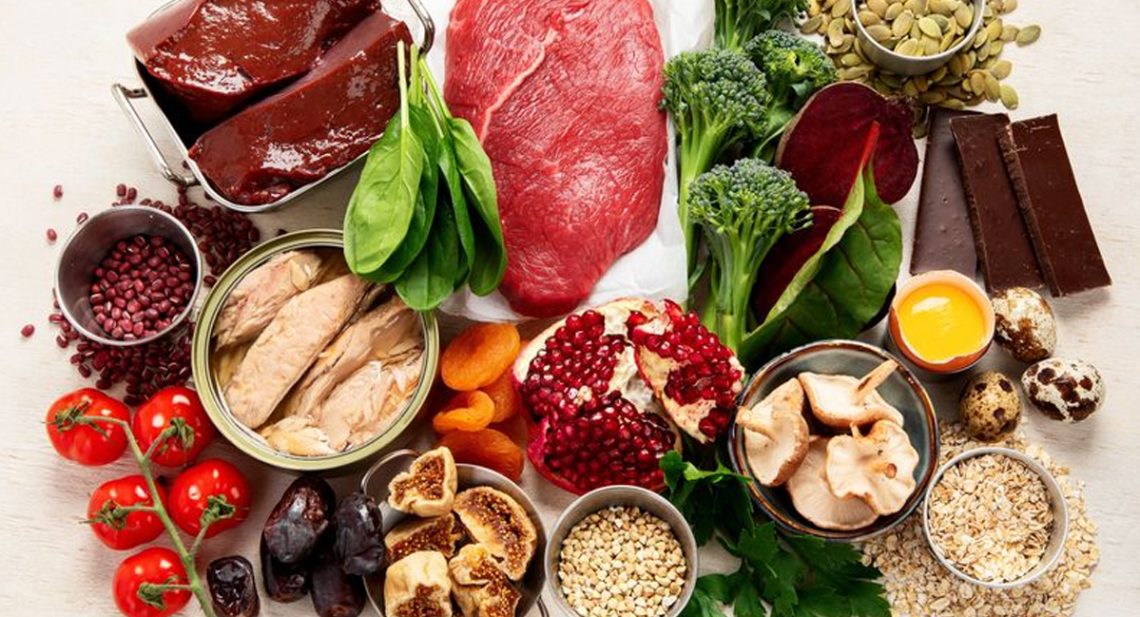
8 Foods With More Iron Than a Serving of Steak
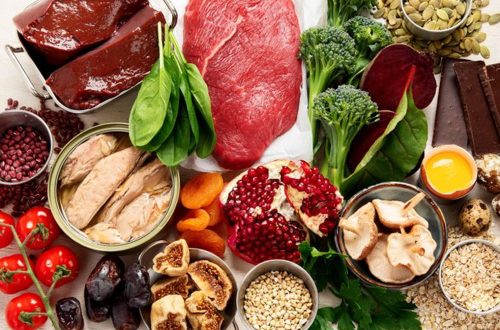
Key Takeaways Iron helps your body produce healthy blood that delivers oxygen throughout your body. While beef is a great source of iron, containing 2.5 milligrams (mg) per three-ounce serving, there are other foods that have more iron per serving than steak does. 1. Oysters Oysters can improve your iron levels.…
-
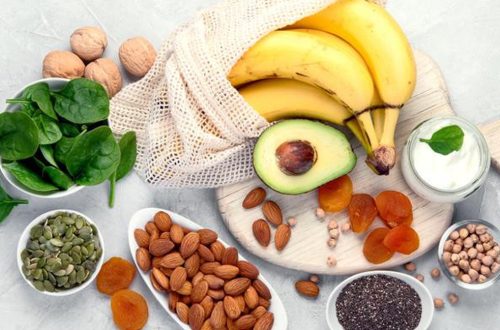
Spot B12 Deficiency Early, Eat Your Magnesium and 3 More Nutrition Tips
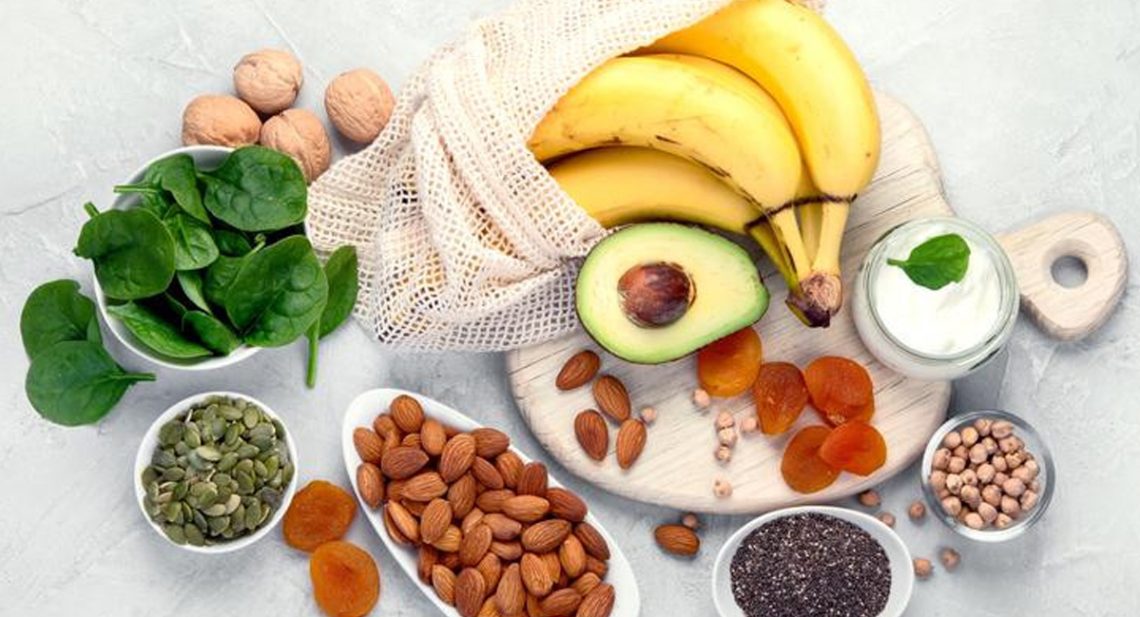
Small, simple habits can help you feel your best and set you up for a good new year. This week, start your day with hot lemon water, and learn how to incorporate more magnesium-rich foods into your diet so you don’t have to buy supplements. 1. Know the signs of…
-
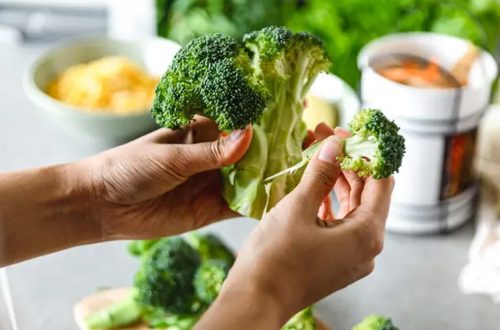
Eating Broccoli May Have a Surprising Benefit for Your Hormones
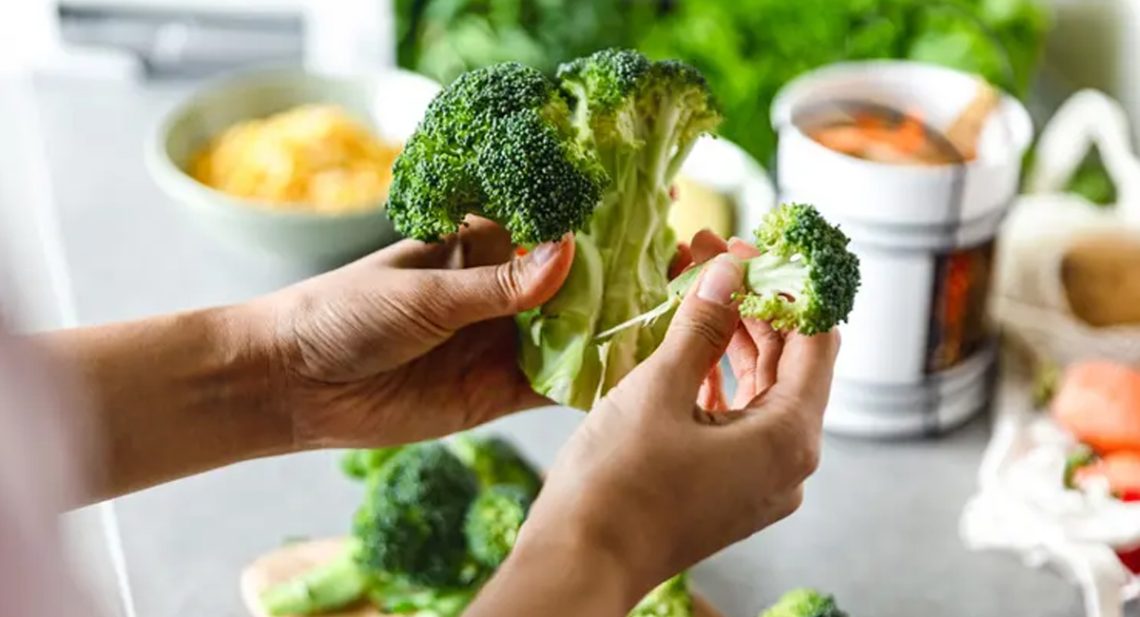
Key Takeaways Broccoli contains powerful plant compounds that may support hormone balance, particularly estrogen, a hormone crucial for metabolism and reproductive function. How Broccoli Supports Hormone Balance Broccoli is part of the cruciferous vegetable family, known for its fiber-rich and nutrient-packed greens. Like its “cousins” cabbage, kale, and Brussels sprouts, broccoli contains indole-3-carbinol (I3C),…
-
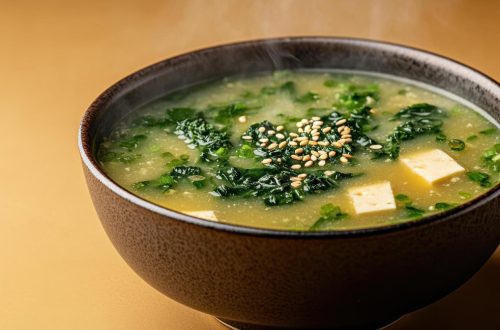
What Happens to Your Body When You Start Your Day With a Warm Bowl of Miso Soup
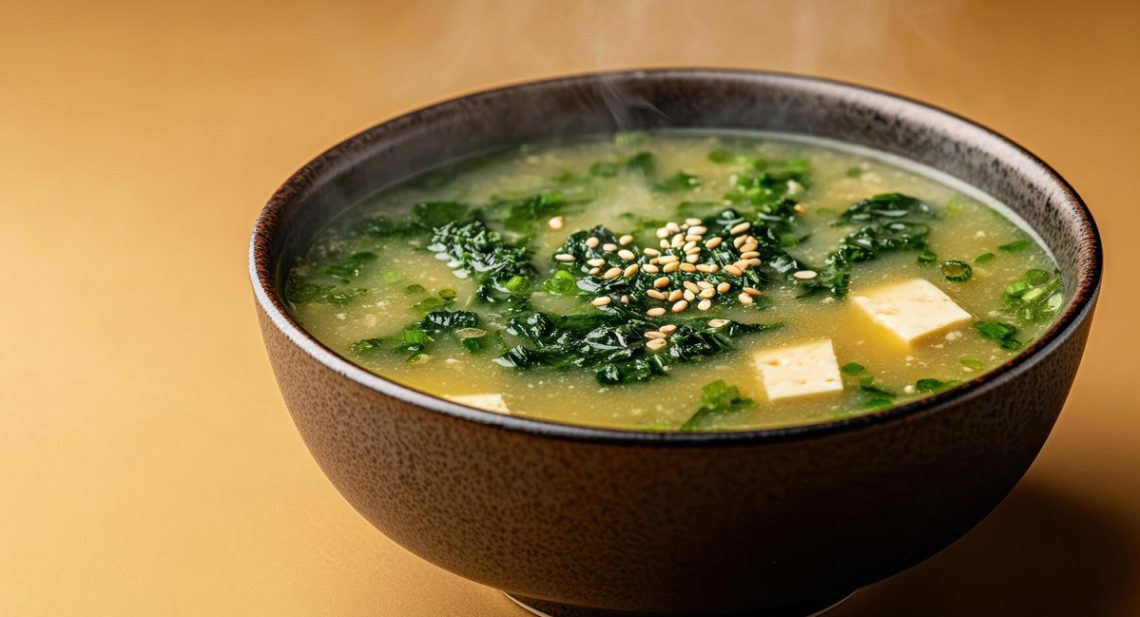
Key Takeaways Miso soup is trending on TikTok for its gut-healing, immune-boosting effects, and potential weight-loss perks. Experts agree that eating miso soup regularly has several health benefits. 1. Probiotics May Support Gut Health Fermented foods like miso are well-known for their digestive perks. Amino acids in miso, such as glutamate…